

Skip to content
PLAY UKRAINE MUSIC — Digital Philharmonic
Romanticism
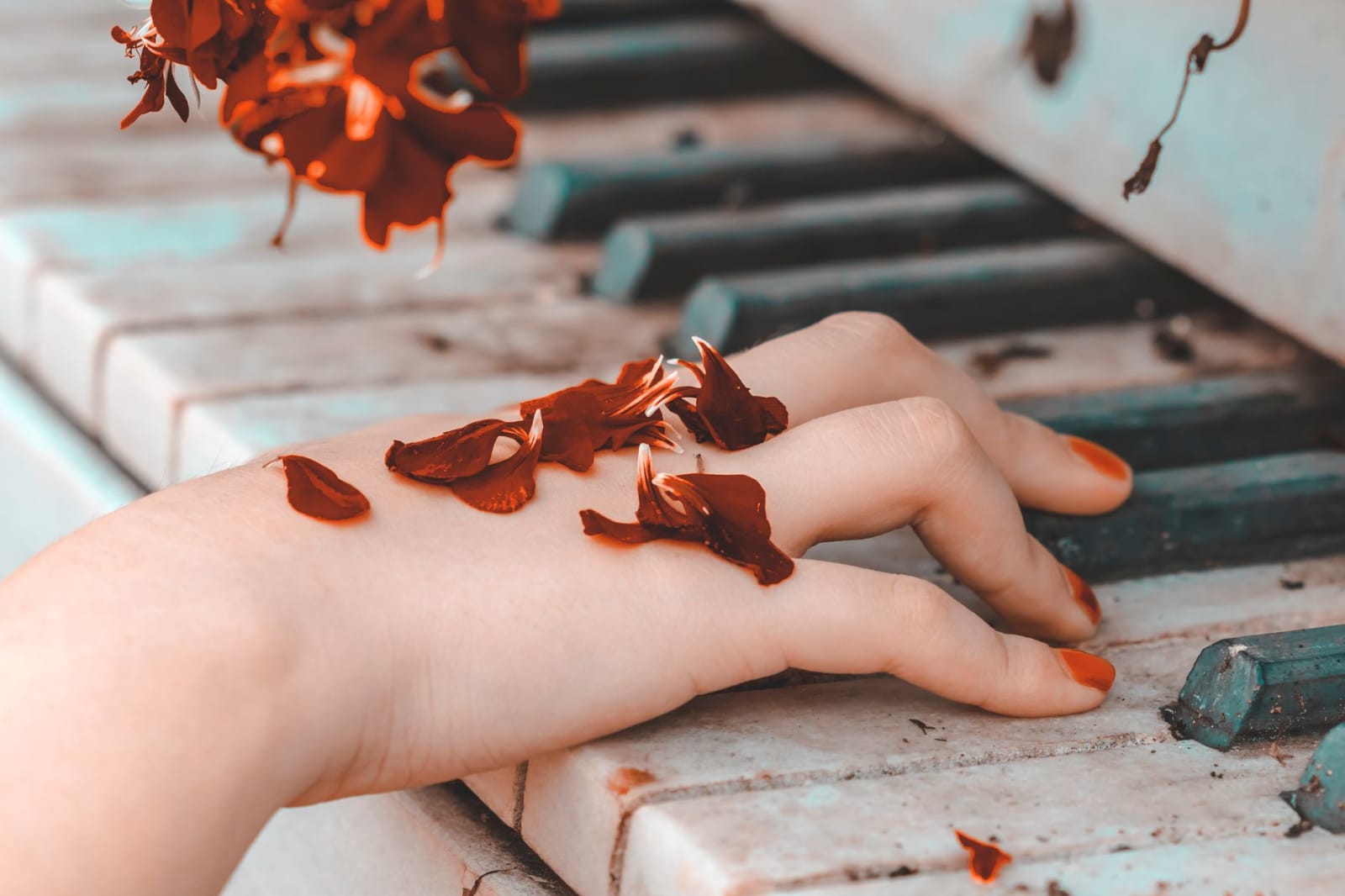
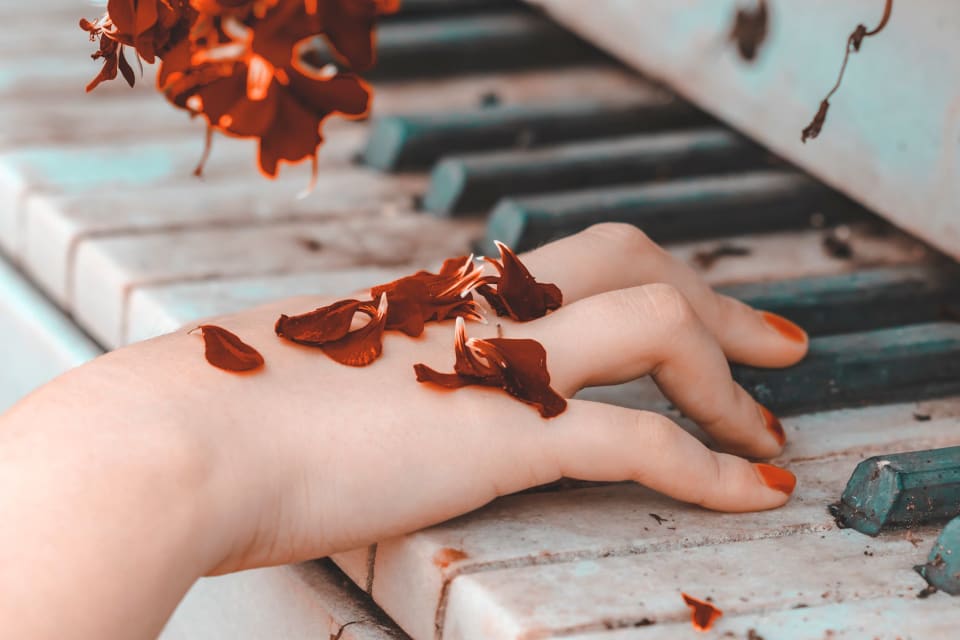
Author: Zafer Erdoğan. License: Pexels License — https://www.pexels.com/license/. Source

Romanticism

Романтизм

Audio: Romanticism

Romanticism (1820–1900) is the era of emotional freedom, fantasy, and individual self-expression. Chopin, Schumann, Liszt, Brahms, Tchaikovsky, and Wagner reshaped the very language of music.

Romanticism is the music of the “heart.” Composers seek to convey the deepest experiences: love, longing, fear, ecstasy, the mystery of death. Miniature genres arise (Chopin's nocturnes, Brahms's intermezzi), along with the program symphony (Berlioz's Symphonie fantastique) and the music drama (Wagner).

The orchestra expands (Mahler had over 100 performers), harmony is enriched, chromaticism intensifies (Wagner's Tristan und Isolde — the work that loosened traditional tonal harmony). It is an era of virtuoso solos, often with the composer-performer as hero (Liszt, Paganini, Chopin). Ukraine has its Romantics: Mykola Lysenko — the father of the Ukrainian national school, who wrote the opera Taras Bulba, song cycles, and piano works on Ukrainian themes.
Historical artifact

Romanticism
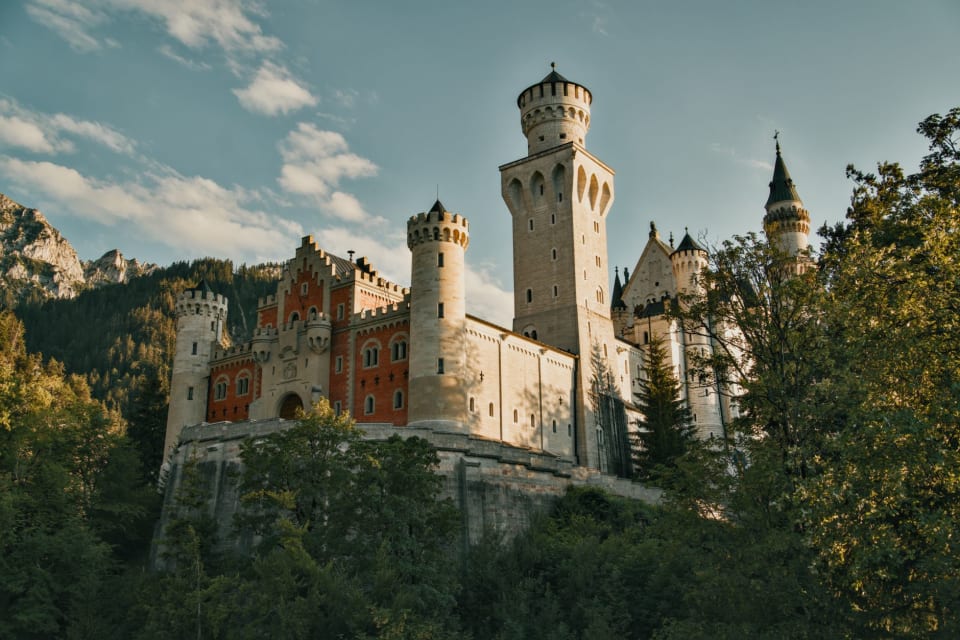
Zafer Erdoğan · Pexels License — https://www.pexels.com/license/ · Source

Modern incarnation

Romanticism
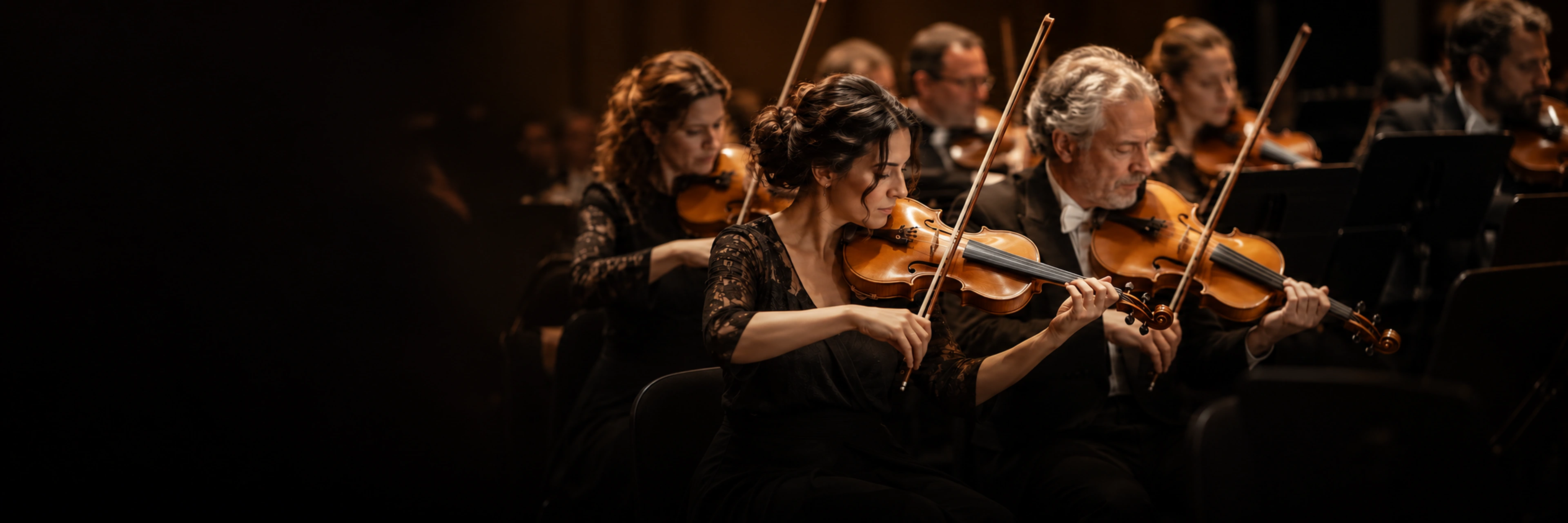
Dawid Tkocz · Pexels License — https://www.pexels.com/license/ · Source
Video: Romanticism

Related across the platform

Other dimensions of culture

The whole Play Ukraine ecosystem

  • Art
  • Fashion
  • Cuisine
  • Literature
  • Play Ukraine — The whole ecosystem

Test mode: all content on this site is for testing and will be removed at launch.




