
Ska was born in Jamaica in the late 1950s, combining local mento and calypso with American rhythm and blues and jazz. Its defining feature is the emphasis on the off-beat: the characteristic clipped stroke of guitar or piano on the “and” of the beat, which gives the music a weightless, “bouncy” motion.
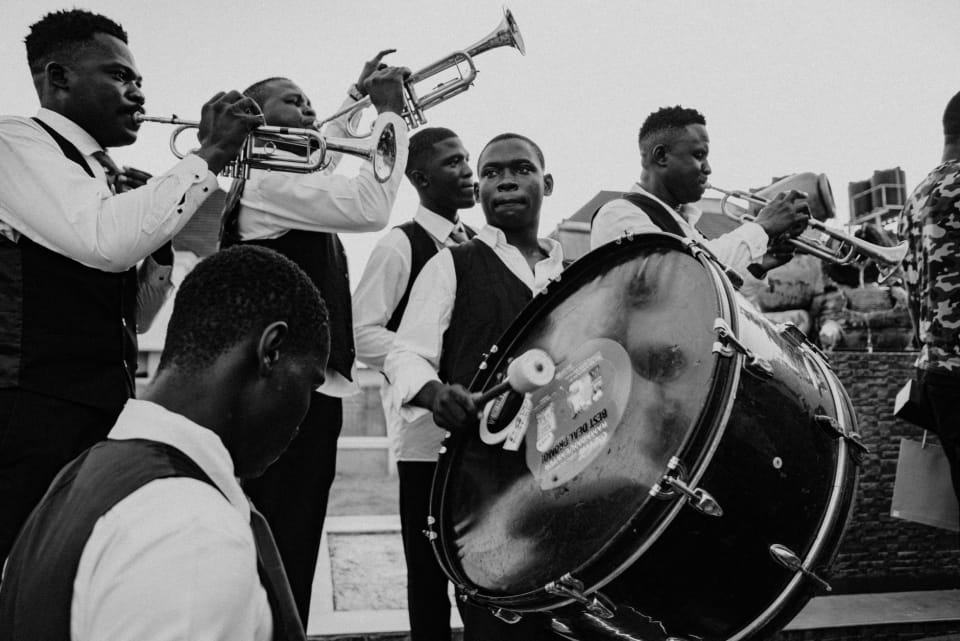
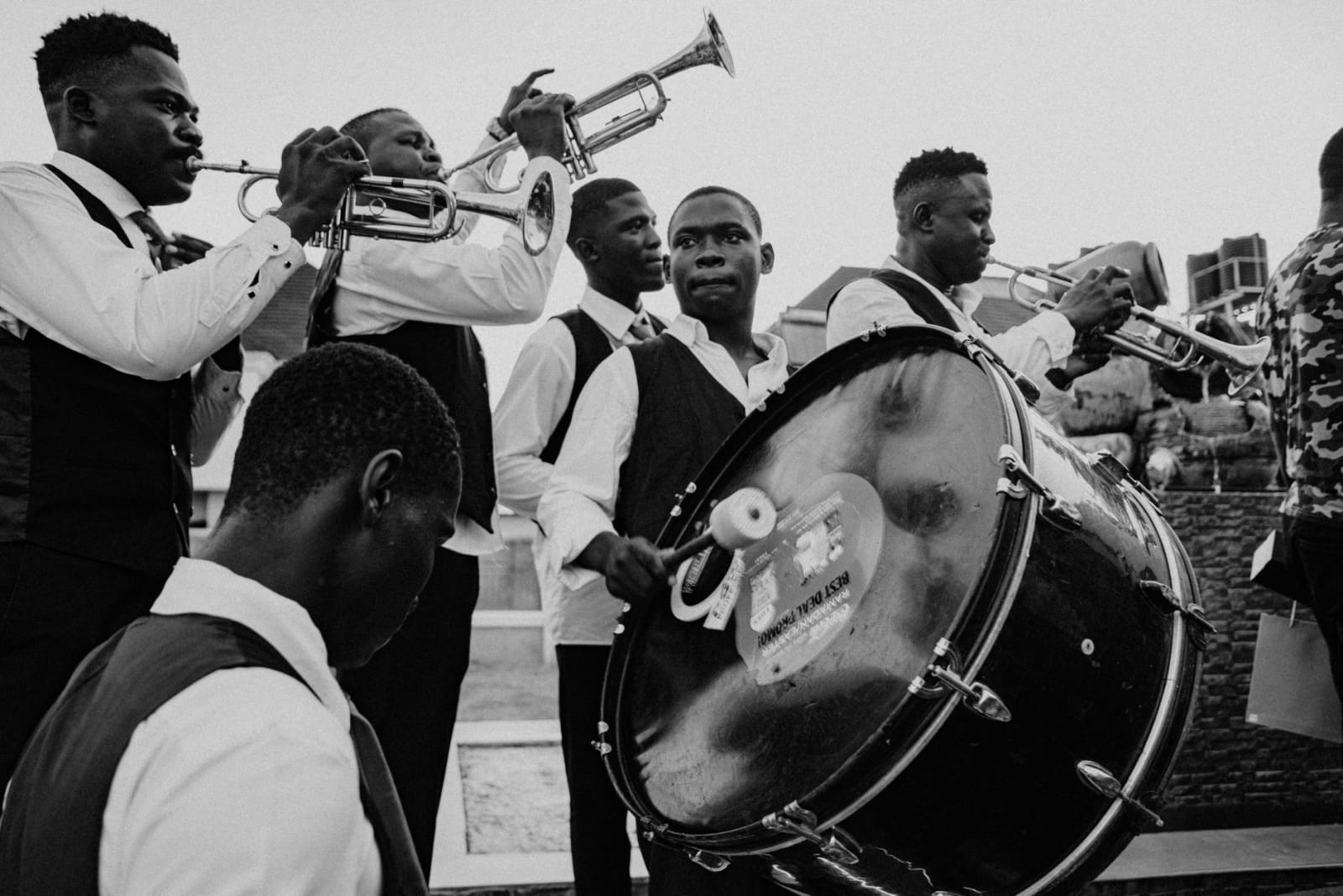
Ska is usually played by energetic brass sections (trumpets, trombones, saxophones), and its tempo is fast and danceable. In the 1960s it slowed down and turned into rocksteady, and then into reggae. In the late 1970s a “second wave” of ska (2 Tone) flared up in Britain, and later the energetic ska-punk. Ska gave world popular music that same recognizable off-beat groove that still fills it with the joy of movement.