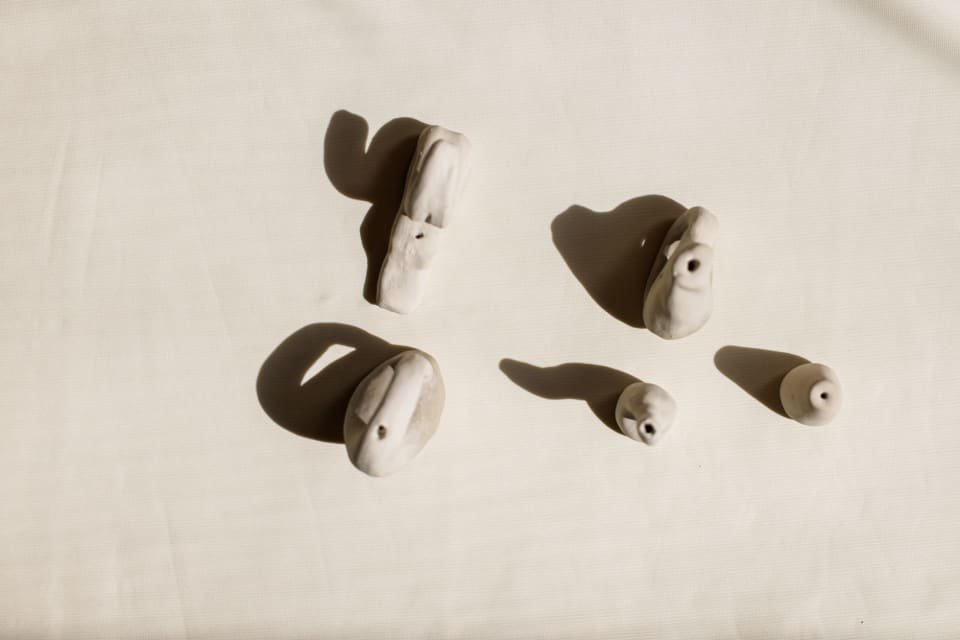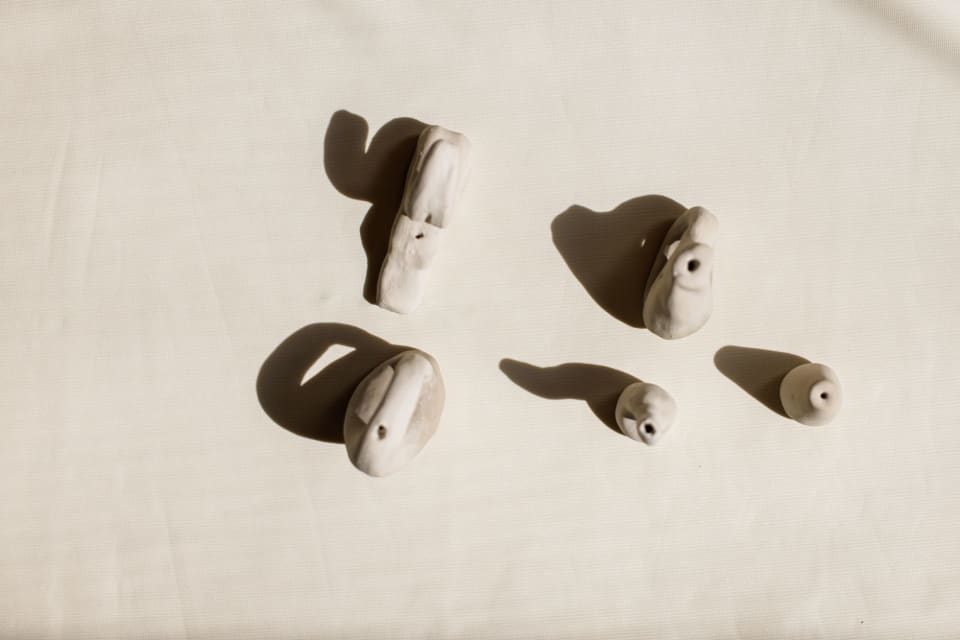



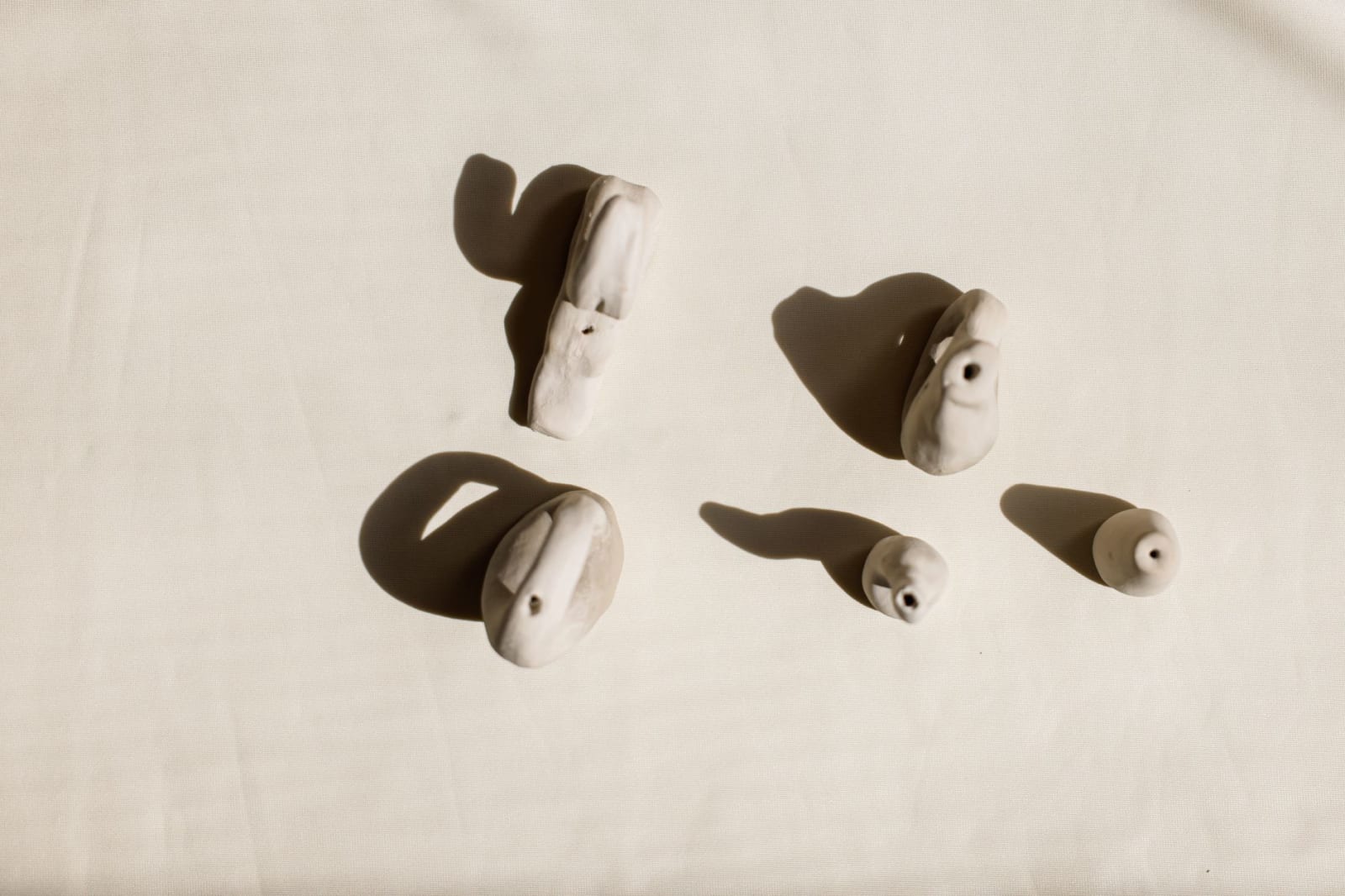
The ocarina has a thousand-year history: excavated from archaeological sites around the world — from China to Mexico. The Ukrainian ocarina (zozulka, svystunchyk) is part of folk pottery: a ceramic bird with 2–4 finger holes that served simultaneously as a children's toy and a musical instrument.
Masters from Opishnia and Kosiv crafted thousands of these “zozulkas,” often painted in traditional ornaments. The melodic range is small — just a few notes, but the sound is gentle, clear, like birdsong. In 1853 the Italian Giuseppe Donati of Budrio created a concert ocarina with 10 holes in the European scale; later chromatic models with 12 holes appeared, allowing performance of more complex works.