
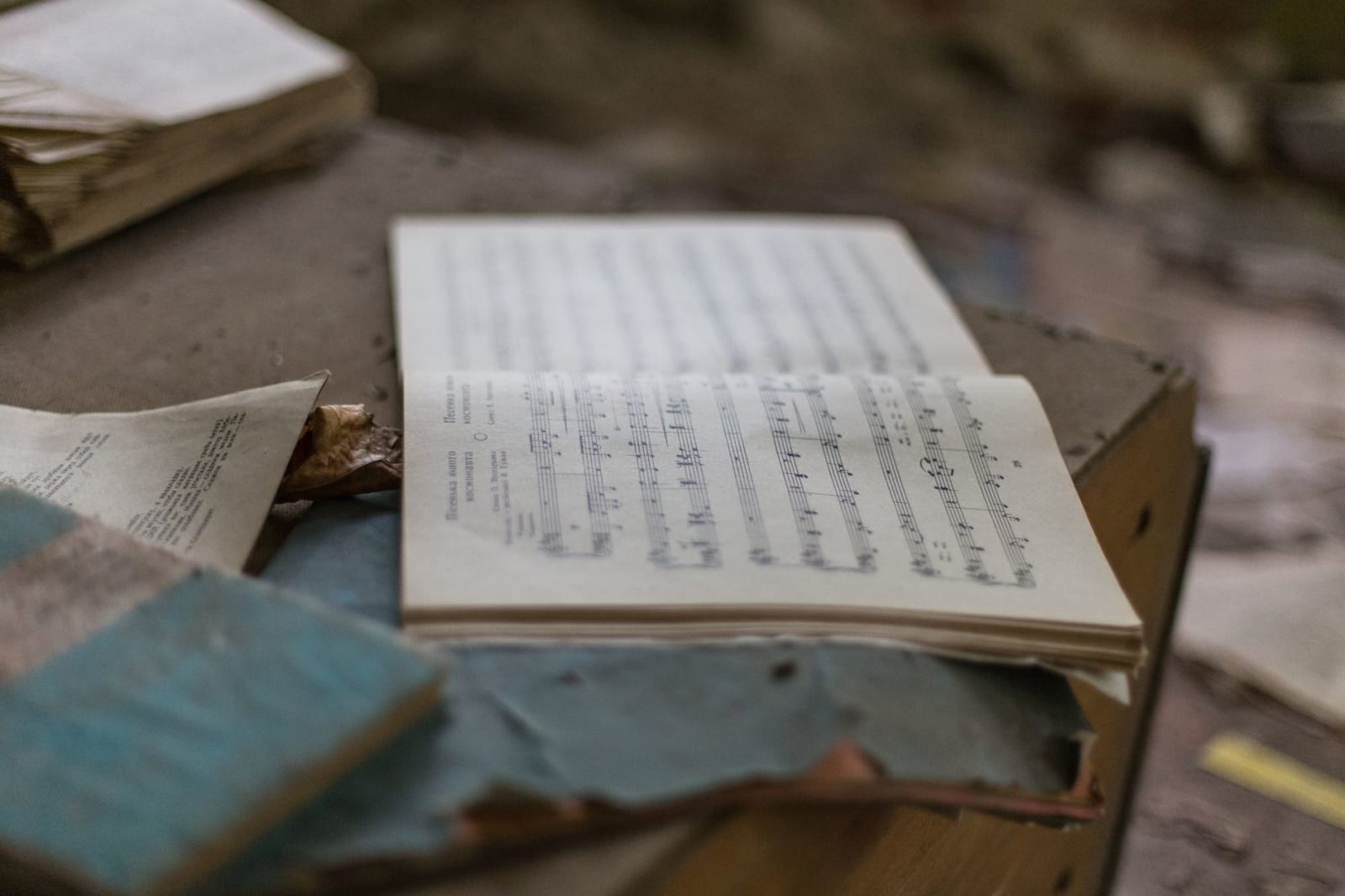
A chaconne is an old musical form of the Baroque era, built as a continuous series of variations over a repeating harmonic progression (or bass theme). It is very close to the passacaglia, and the line between these two forms is not always easy to draw.
Originally the chaconne came to Europe as a lively dance, but later it turned into a dignified instrumental genre of deep, concentrated character. The absolute summit is the Chaconne in D minor from Partita No. 2 by Johann Sebastian Bach for solo violin — a grand edifice regarded as one of the greatest works in all musical literature: upon a small “foundation” of harmony the composer raised a whole universe of feeling and thought. The chaconne remains a symbol of the inexhaustible possibilities of the art of variation.