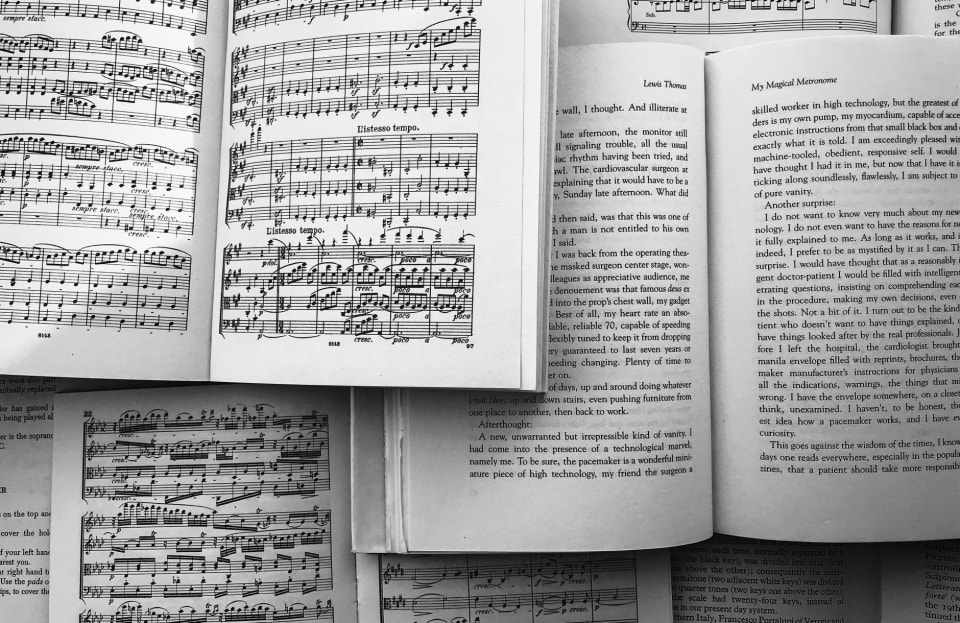



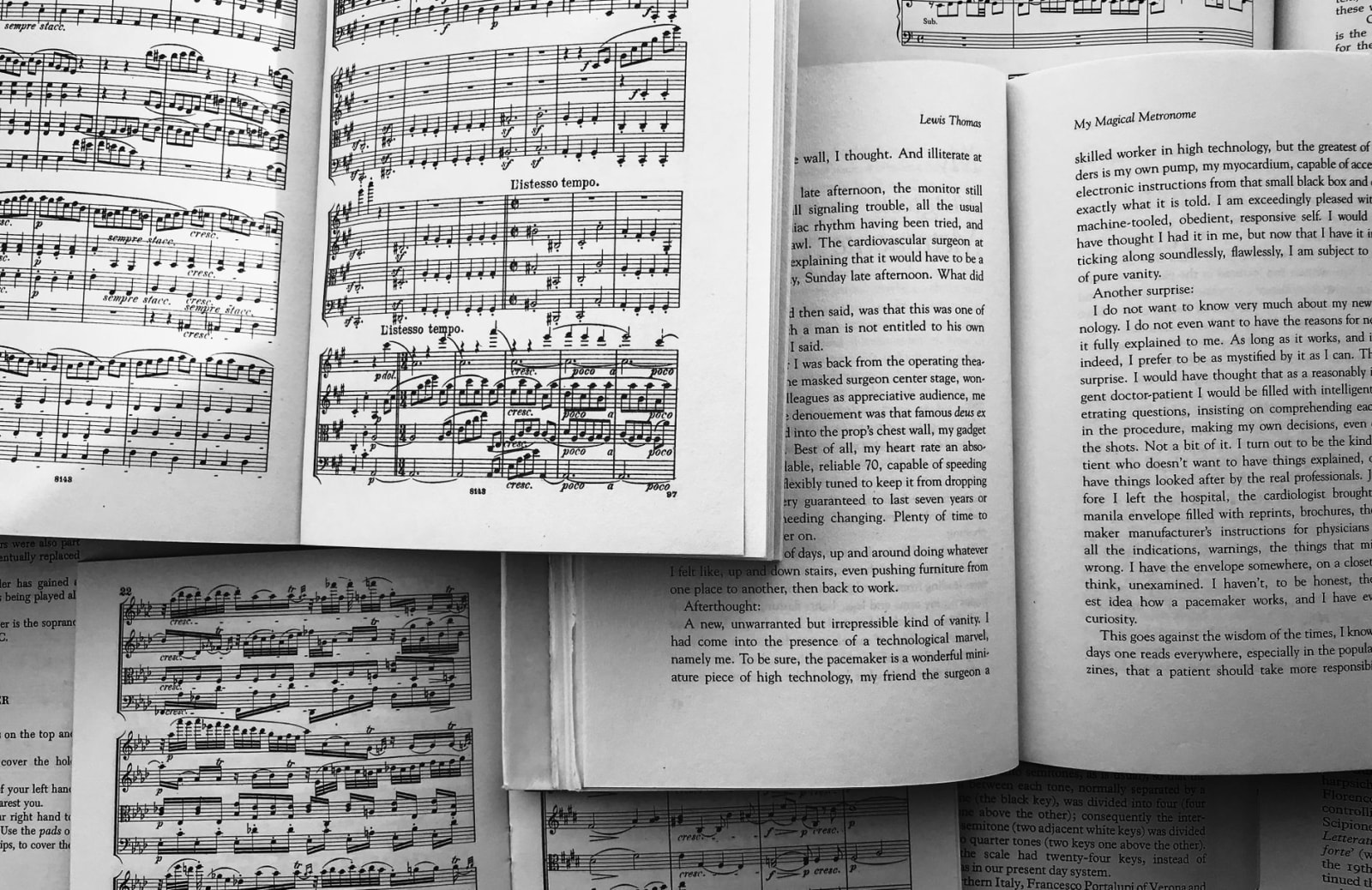
Enharmonic equivalence is the phenomenon in which one and the same pitch has two (or even three) names: C♯ and D♭ sound identical on the piano, yet in notation they are different scale degrees. In equal temperament they are identical; in just intonation they differ slightly.
The practical importance of enharmonics is enormous: it lets a composer “re-colour” a chord and slip unexpectedly into a distant key (enharmonic modulation). The diminished seventh chord, for instance, can — through enharmonic respelling — resolve into several different keys at once, which is why the Romantics loved it as a “magic door” between remote worlds. Without enharmonic equivalence there would be no free chromatic harmony of the 19th–20th centuries.