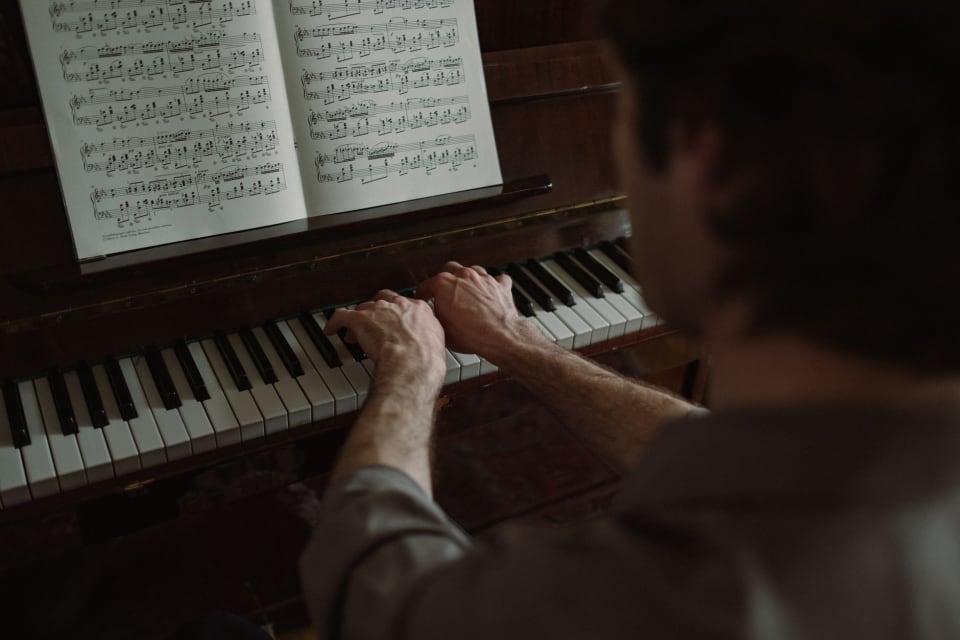




Syncopation is a game with the listener's expectations. We are used to the accent falling on the downbeat, but suddenly the composer shifts it to the offbeat — and the body starts to sway on its own.
This device is the DNA of jazz, blues, reggae, bossa nova, and funk. Syncopation is a frequent guest in classical music too: Mozart, Beethoven, and Schumann used it to break the squareness of a phrase and add expression. Ukrainian folk music is rich in syncopation — just recall kolomyikas and kozachoks.
Technically, syncopation arises when a note struck on a weak beat or its subdivision is held over onto the next strong beat, “pulling” the expected accent onto itself. It was systematic syncopation that, at the end of the 19th century, turned African rhythmic traditions into ragtime and later into jazz. In classical music, syncopation serves as a means of agitation, impetuosity, or, conversely, refined gracefulness.