


Skip to content
PLAY UKRAINE MUSIC — Digital Philharmonic
Avant-garde
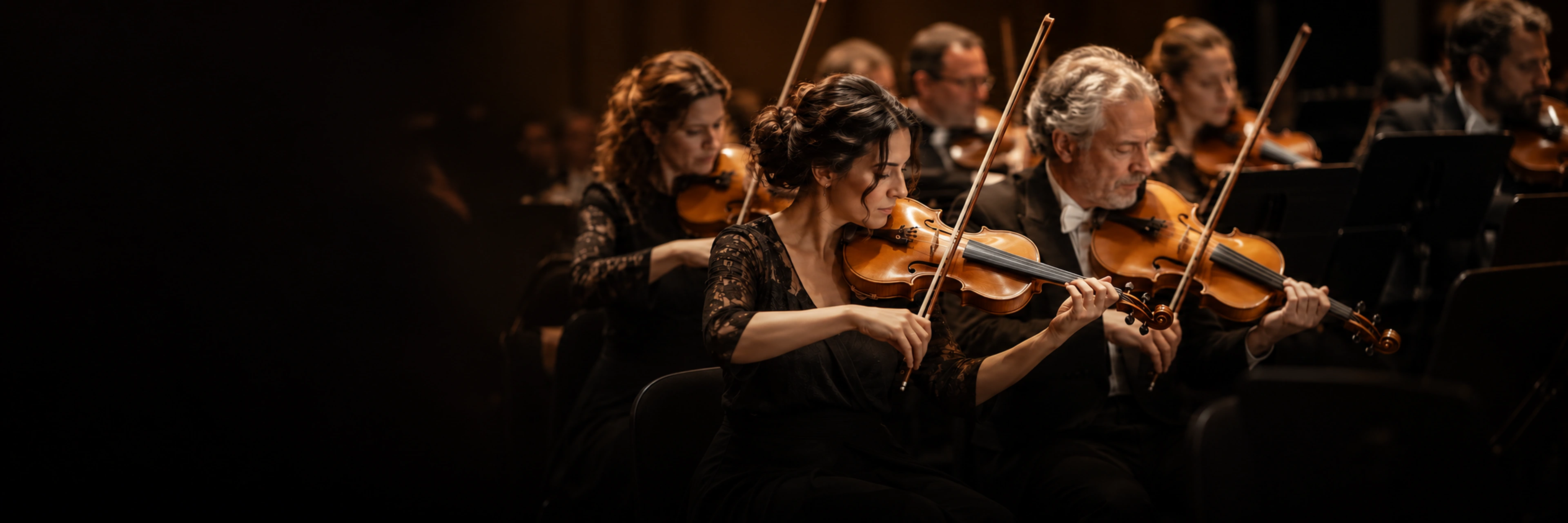
Author: RDNE Stock project. License: Pexels License — https://www.pexels.com/license/. Source

Avant-garde

Авангард

Audio: Avant-garde

Avant-garde is a broad movement of 20th-century experimental music that breaks established forms and sound norms. Aleatoric technique, prepared piano, and musique concrète are the legacy of this movement.

Avant-garde music is the constant search for the new. John Cage invented the “prepared piano” (objects inserted between strings to alter timbre), and wrote 4'33″ (four minutes and thirty-three seconds of silence in which the hall's ambient sound becomes the music). Pierre Schaeffer in Paris created musique concrète — music from real-world noises recorded on discs (later on tape).

Other directions: aleatoric technique (chance elements in the score), graphic notation (scores as drawings), performative music (performance as theatrical act). The avant-garde redefined what a “musical work” is. In Ukraine, the 1960s avant-gardists (Hrabovsky, Silvestrov, Huba) faced pressure from the authorities but continued their experiments.


Historical artifact

Avant-garde
RDNE Stock project · Pexels License — https://www.pexels.com/license/ · Source

Modern incarnation

Avant-garde
Disco AstronautClub · Pexels License — https://www.pexels.com/license/ · Source
Video: Avant-garde

Cultural Versus

Historical: Avant-garde
RDNE Stock project · Pexels License — https://www.pexels.com/license/
Modern: Avant-garde
RDNE Stock project · Pexels License — https://www.pexels.com/license/

Avant-garde

Sub-category:
classical

Avant-garde is a broad movement of 20th-century experimental music that breaks established forms and sound norms. Aleatoric technique, prepared piano, and musique concrète are the legacy of this movement.

Historical: Expressionism
Marcelo Chagas · Pexels License — https://www.pexels.com/license/
Modern: Expressionism
Marcelo Chagas · Pexels License — https://www.pexels.com/license/

Expressionism

Sub-category:
classical

Expressionism (1900–1930s) is the music of extreme inner states — anxiety, terror, ecstasy. Schoenberg, Berg, and Webern — the “Second Viennese School” — abandoned tonality as the basis of musical language.

Related across the platform

Other dimensions of culture

The whole Play Ukraine ecosystem

  • Art
  • Fashion
  • Cuisine
  • Literature
  • Play Ukraine — The whole ecosystem

Test mode: all content on this site is for testing and will be removed at launch.