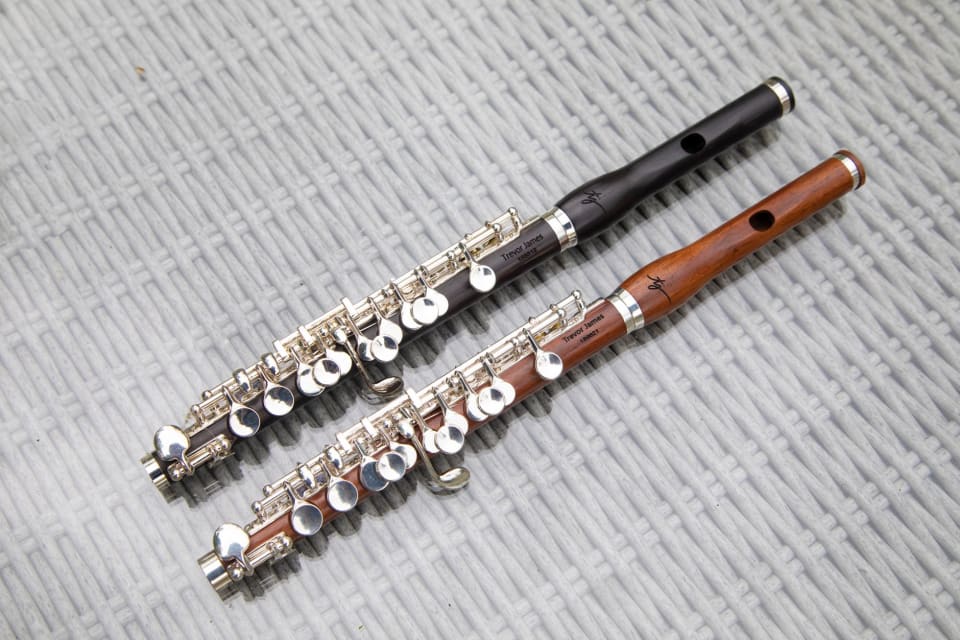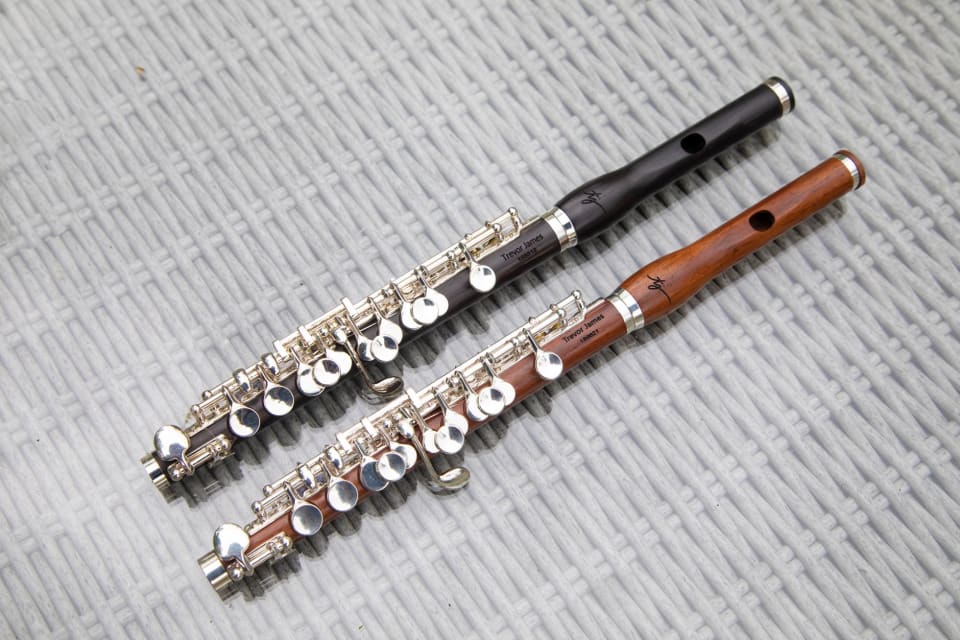


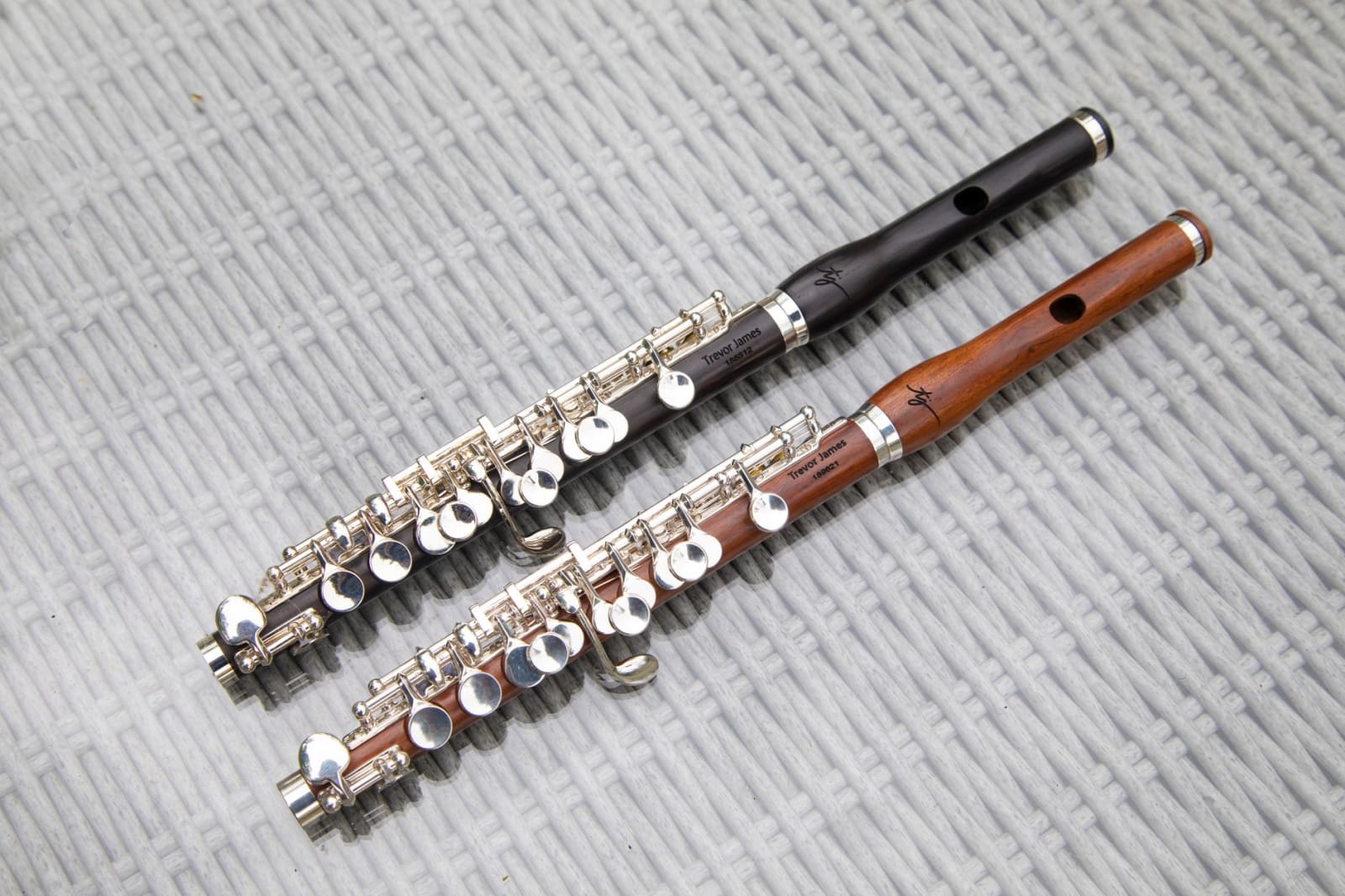
The piccolo (Italian for “small”) is the orchestra's “little feather.” Only 32 cm long, yet its power is astonishing: the piccolo cuts through even the loudest orchestral fortissimo.
Composers often entrust the piccolo with brilliant passages at climaxes: in the finale of Beethoven's Fifth Symphony, in Sousa's Stars and Stripes Forever, in Ravel's Boléro. Military bands are unthinkable without the piccolo — its piercing whistle gives marches their signature character. The piccolo is usually played by the orchestra's third flutist (in smaller ensembles, the second), switching instruments at the right moment.
The piccolo is notated an octave lower than it actually sounds — otherwise its notes would sit far above the staff. It is the highest-pitched instrument in the entire symphony orchestra, which is why conductors prize it as a “spotlight” that lifts a melody out of the dense orchestral texture. Modern scores entrust the piccolo not only with brilliance but also with delicate, almost flute-like colours in the high, soft register.