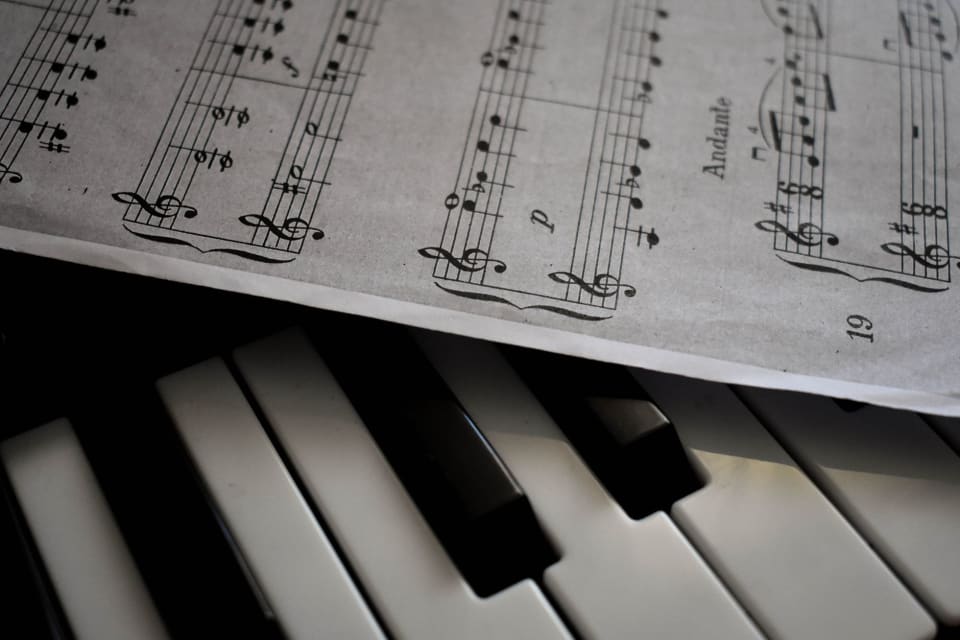

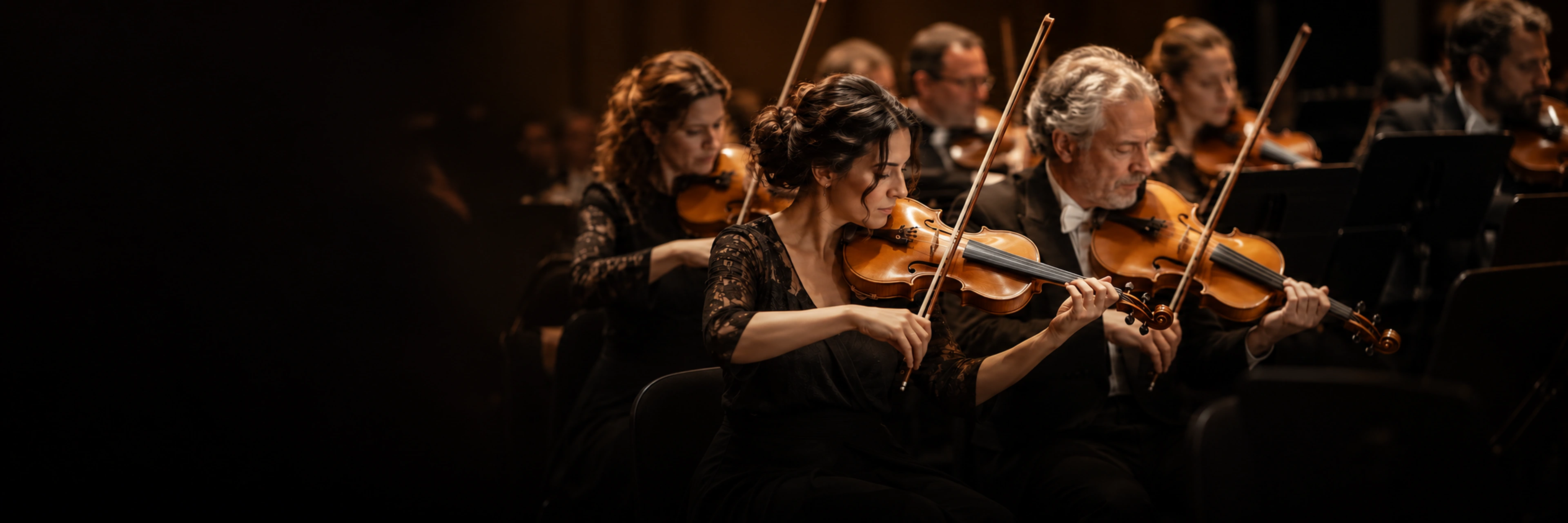

Allegro (Italian for “cheerful, lively”) is a tempo composers have chosen for centuries to convey an active, affirming mood. The first movements of symphonies by Mozart, Beethoven, and Brahms are almost always marked this way.
There are nuances: Allegro moderato — moderately fast, Allegro con brio — fast with brilliance, Allegro ma non troppo — fast but not too much. These shades let conductors fine-tune the character of the performance.
In the Classical sonata and symphony, the first movement is almost always written in allegro tempo and in sonata form — which is why it is often called the “sonata-allegro.” Its approximate range is 120–168 beats per minute. In marking allegro, a composer sets not only speed but character: resolve, energy, a festive forward drive that shapes the overall tone of the whole work.