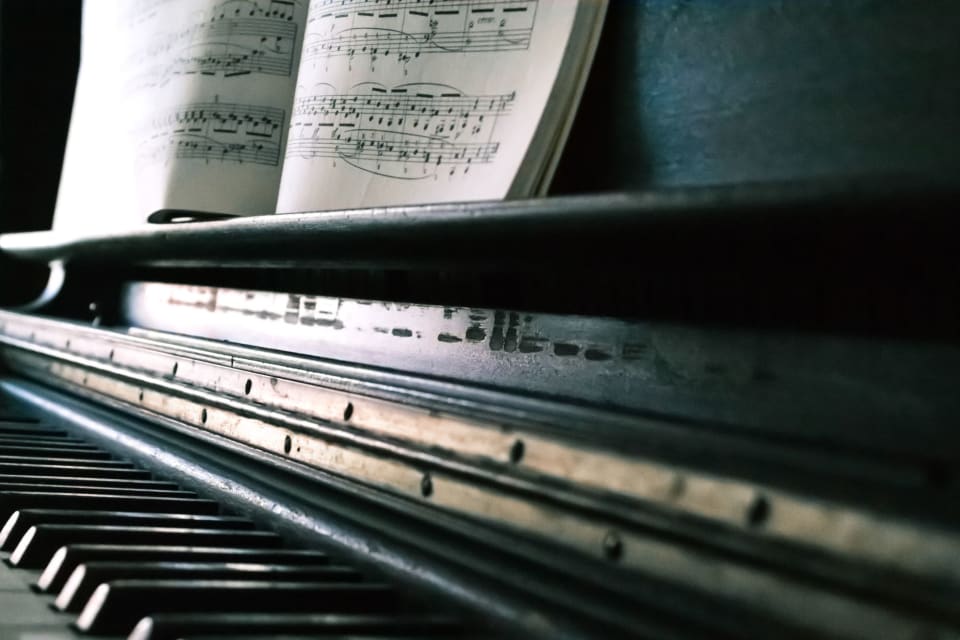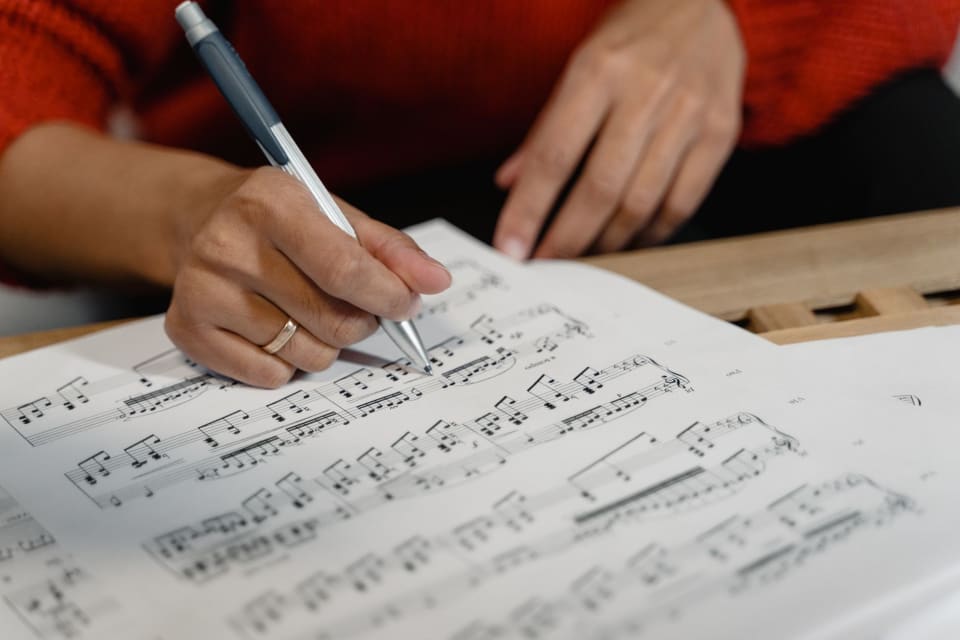



A clef (from the Latin clavis — “key”) is placed at the start of the staff and “ties” one of the lines to a specific pitch, setting the height of all the other notes. Without a clef the staff is only an abstract grid of lines; the clef “unlocks” its true sound.
The most common clefs are: the treble (G clef, for high voices and instruments), the bass (F clef, for low ones), and also the alto and tenor C clefs (for the middle register, notably the viola). Different clefs make it possible to notate instruments and voices of different ranges without an excess of ledger lines, keeping the notes conveniently within the staff. The ability to read in different clefs is an essential skill of a musician; the clef is the starting point from which the whole score “comes to life.”