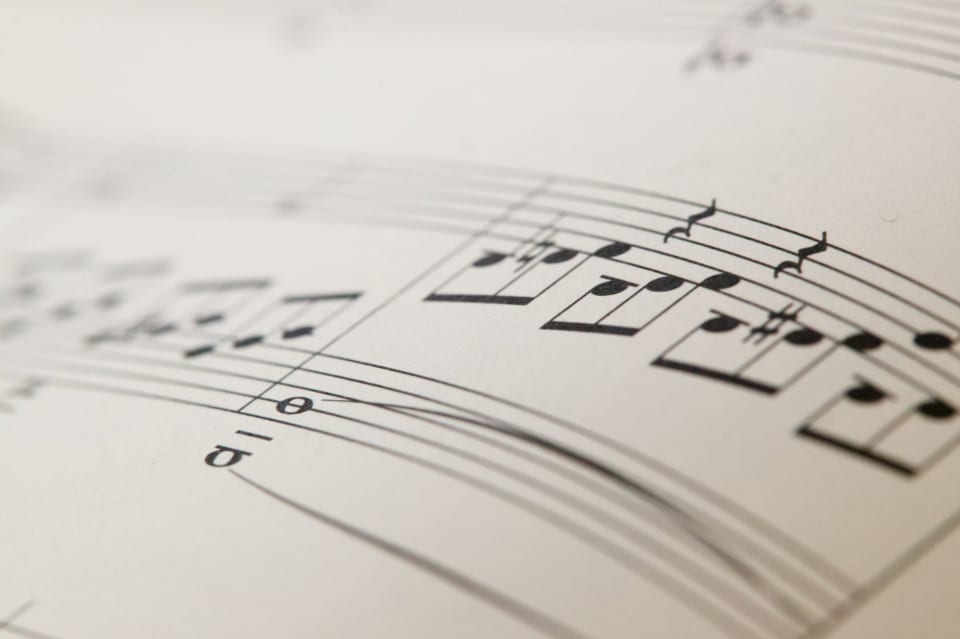




A coda (from the Italian for “tail”) is a kind of epilogue to a musical work. In small pieces it may be a few bars; in Beethoven's symphonies it is an entire additional section, often comparable in scope to the development.
A legendary coda is the finale of Beethoven's Fifth Symphony: 29 bars of C major chords, like a triumphant shout that refuses to subside. Mahler did the opposite in his Ninth Symphony — the coda fades slowly, like a final breath. In jazz, a “coda” is the closing riff or last solo before the final chord.
A coda is marked with a special “target” sign (⊕), to which the performer jumps after the repeats. It should not be confused with a codetta — a short close to an individual section within a work. In a well-built form, a coda adds no new conflict but affirms what has already been achieved: it is the last, summarising statement that leaves the listener with a sense of completeness and wholeness.