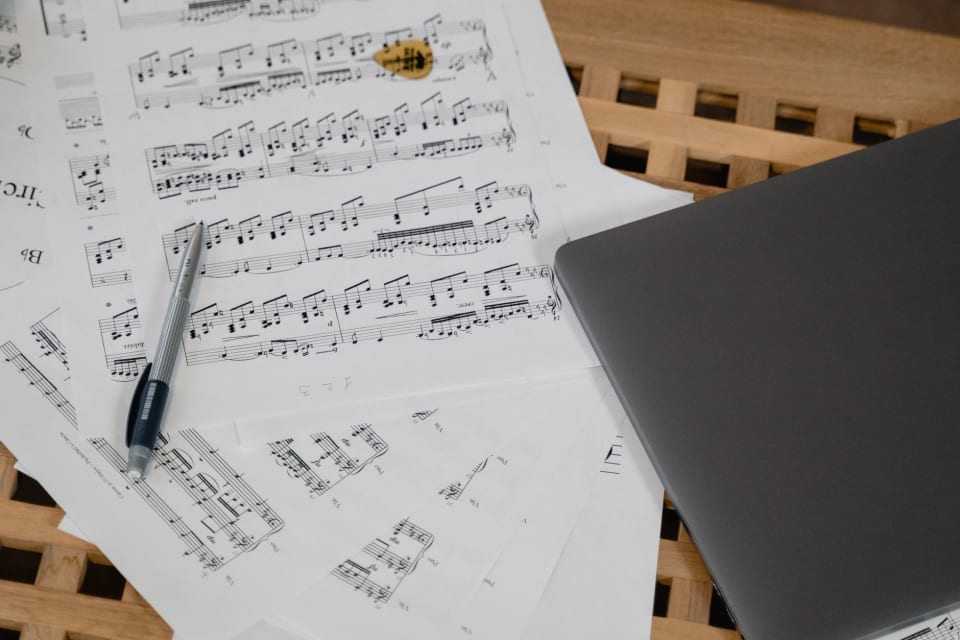



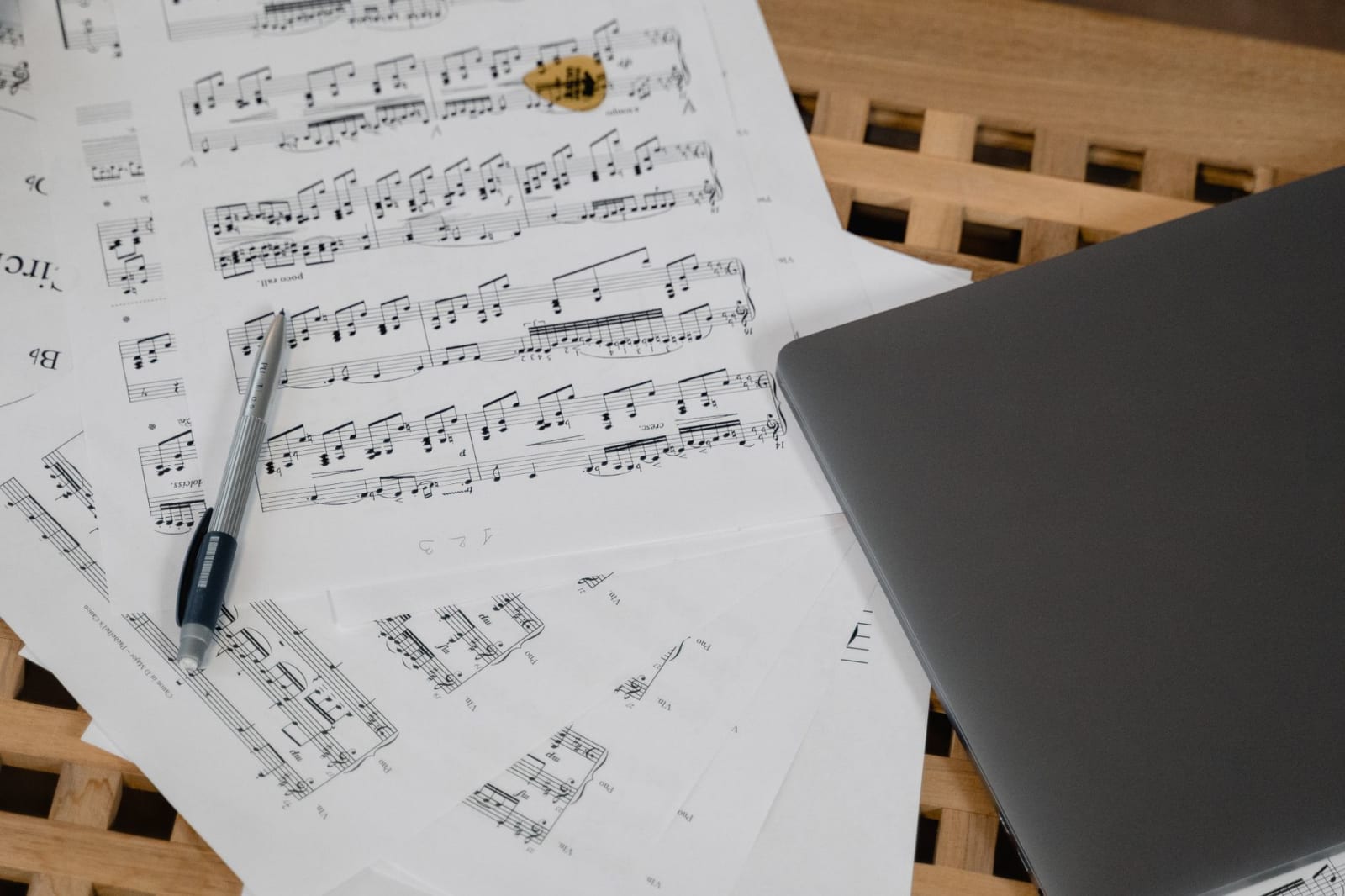
The development is the composer's “laboratory.” Themes are broken into motifs, combined, shifted in key, rhythm, and character. If the exposition is introduction, the development is conflict and struggle.
In Beethoven, developments become genuine musical battles — recall the first movement of the Third or Fifth Symphony: motifs hurled like lightning between voices of the orchestra. In Brahms the development is more contrapuntal, with deep interweaving of themes. In Sibelius it is the organic, almost geological growth of a theme from a tiny seed.
In classical sonata form the development is the middle section, wedged between the exposition and the recapitulation. Here the composer modulates most actively — moving from key to key — creating a sense of instability and search. The development's toolkit is the fragmentation of a theme into motifs, sequences, polyphonic combinations, and modal shifts. It was mastery of the development that was for centuries held to be the chief test of a composer's gift.