
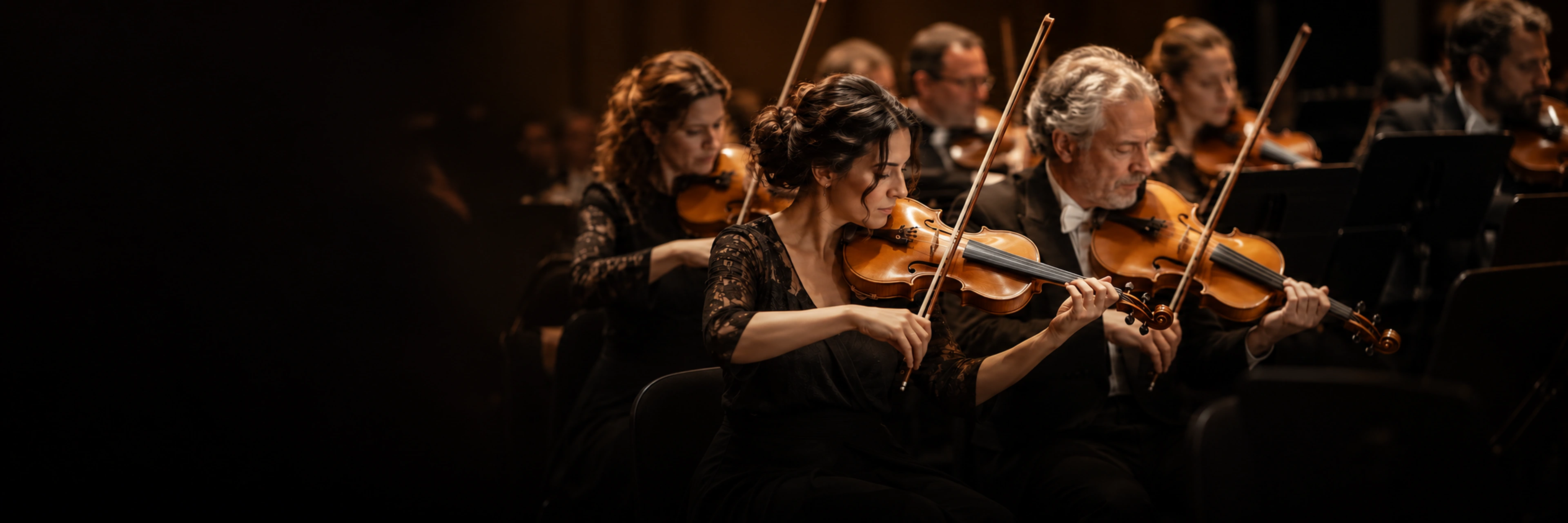

Timbre is the individual colouring of a sound, its “character.” It is thanks to timbre that we recognise which instrument is playing or whose voice is sounding, even if the note is identical in pitch and loudness. The physical basis of timbre is a set of overtones (additional partials) that accompany the fundamental tone.
Timbre is described with figurative words: warm, sharp, velvety, ringing, nasal, dark, bright. The art of combining timbres — orchestration — is one of the summits of compositional mastery (recall the magical timbral discoveries of Ravel or Debussy). In the 20th century timbre turned from an “ornament” into an independent means of form-building (sonorism). Timbre is what gives music its sensory, coloristic fullness and makes each instrument and voice unique.